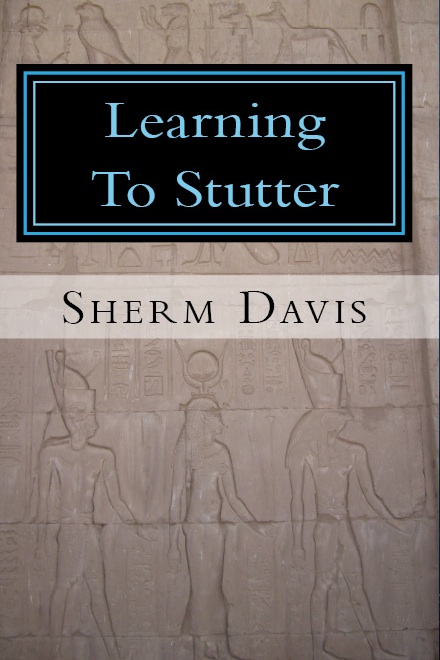
A fascinating semi-autobiographical novel that gets inside the head of a stutterer (or two) and comes out with insight for the fluent-speaking world.
Reviews
This is an extraordinary book. It’s the inside dope on stuttering. The plot is consummate, the writing proficient, the pacing skillful, with a clarity of detail that renders it very realistic. After awhile, I found myself caring about all the characters, even (or particularly) the minor ones, oftentimes because they reminded me of myself, and were therefore incredible familiar. It is a reflection of the author’s versatility –as educator, in math and Language Arts, as musician and writer –and diversity –Jewish, New York born and bred, having resided all over the world –that some parts of the writing even speak to the Oriental in me. As each of the characters, stuttering and non-, go about their lives, problem-solving, adapting, you cannot help but see the parables at a universal level. Resonant, poignant, and ultimately elucidatory, this book gets an A+ from me.
—-Ling T., Guatemala
Although main character Kenneth Kocher’s conversations are often anything but graceful, author Sherm Davis’ ability to articulate a stutterer’s daily struggles with dysfluency is incredibly eloquent. “Learning to Stutter” allows the reader more than a glimpse into the neurological syndrome of stuttering, which is far more difficult to “overcome” than most non-stutterers realize. His invented lexicon of symbols skillfully translates the many physiological manifestations of stuttering into text. The overall effect of embedding this experimental syntax into a work of semi-autobiographical fiction is compelling.
The concept of “stuttering with grace” is a message that needs to be heard, and naturally lends itself to realizing the need for tolerance and acceptance in today’s society as a whole. The underlying themes of perseverance, as well as discovering and accepting one’s path to self-expression are inspirational not only to those who stutter, but to anyone who strives to overcome a personal obstacle. In addition to those who struggle with dysfluency and their friends and family, I highly recommend this novel to educators and speech pathologists to ensure their understanding of the multi-faceted impact that this neurological syndrome can have on one’s identity.
Shari Mayerson, MS, CCC-SLP